A Story Engineering Company

A Full Production Studio
in Anyone's Hands.

You bring the idea. CinemaWeave gives you the studio to produce it.

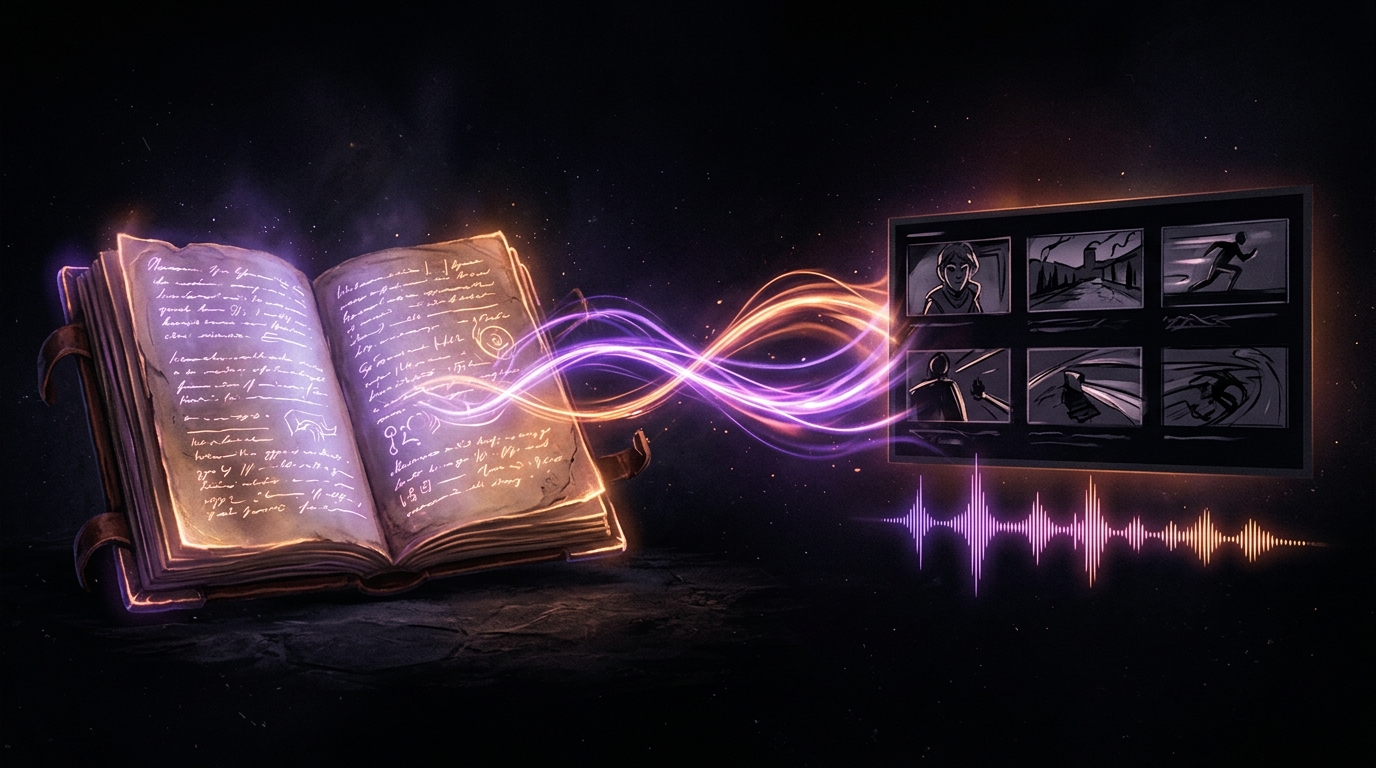
CinemaWeave connects story, screenplay, performance, audio, visuals, and editing through a shared production lifecycle — so every artifact can be created, traced, revised, and selectively regenerated without losing the work that already works.

Modular
Production engines
Shared
Artifact lifecycle
Revision-aware
Orchestration
Model-agnostic
Architecture

The real challenge

Generation is only the beginning.

AI can already produce increasingly capable text, voices, images, music, and video. The hard problem appears after the first result: preserving continuity, making precise revisions, coordinating dependent artifacts, and reproducing an approved production.

A production becomes valuable when you can change it without starting over.

A one-pass result is a generation. A controllable, revisable, reproducible result is a production. CinemaWeave is built for the second thing.

Story of Life

Every life is a story worth producing.

A parent. A grandparent. A kid who wants to capture something real. CinemaWeave lets anyone narrate their life in their own words — memories, timelines, people, places — in whatever order they come. No formatting. No experience required. The system does the rest.

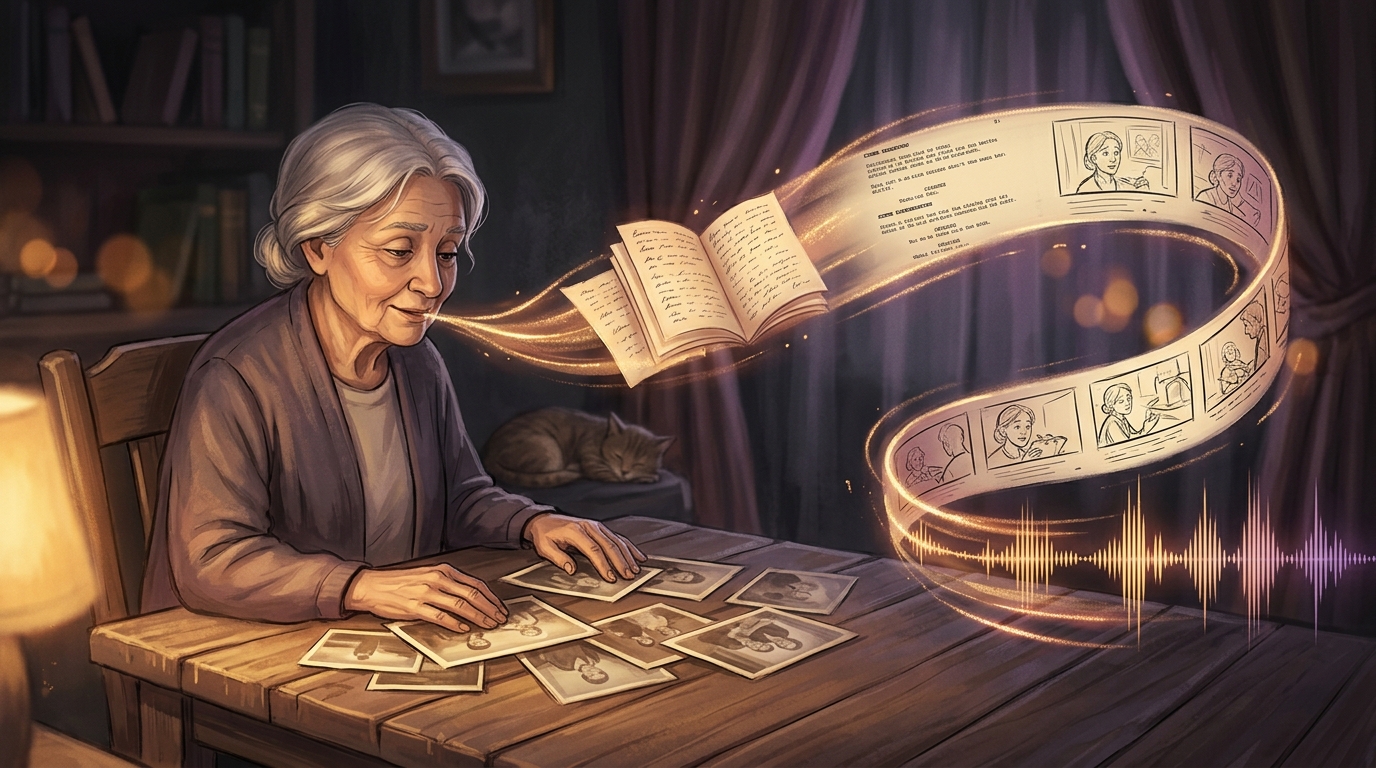
An elderly woman at a table surrounded by family photographs. Her spoken story transforms into glowing light trails that become a book, storyboard panels, and audio waveforms.
Your words in. A finished cinematic story out.
01

Narrate your story

Speak or write in your own words. As much or as little detail as you want. Your truth, your timeline, your voice — exactly as you remember it.

02

Structured into a book

The Story Engine organises your words into a structured memoir, story, or book — preserving your truth, timeline, and voice exactly as you told it. Nothing invented. Nothing changed.

03

Adapted into a screenplay

The Adaptation Engine turns your book into a screenplay in whatever format you choose — short, documentary, or family feature script — ready for the next stage of production.

04

Brought to life with visuals & audio

Storyboard panels, character voices, sound effects, music — the Audio Studio turns your story into a full cinematic experience. Something your family will have forever.

Want to tell your story — or help someone else tell theirs?

Start your Story of Life

Studio departments

Every engine stands alone. Together, they become the studio.

Each department provides immediate, standalone value. When connected through a shared production lifecycle, they operate as one studio — where your story, your choices, and your approved work stay coherent from first draft to final release.

01

Story State Engine

Converts your story — narrated, written, or sourced — into structured narrative: characters, arcs, timelines, world rules, and reusable story context.

  • Character, setting, and timeline continuity
  • Graph-grounded narrative memory
  • Reusable state for adaptation and expansion
02

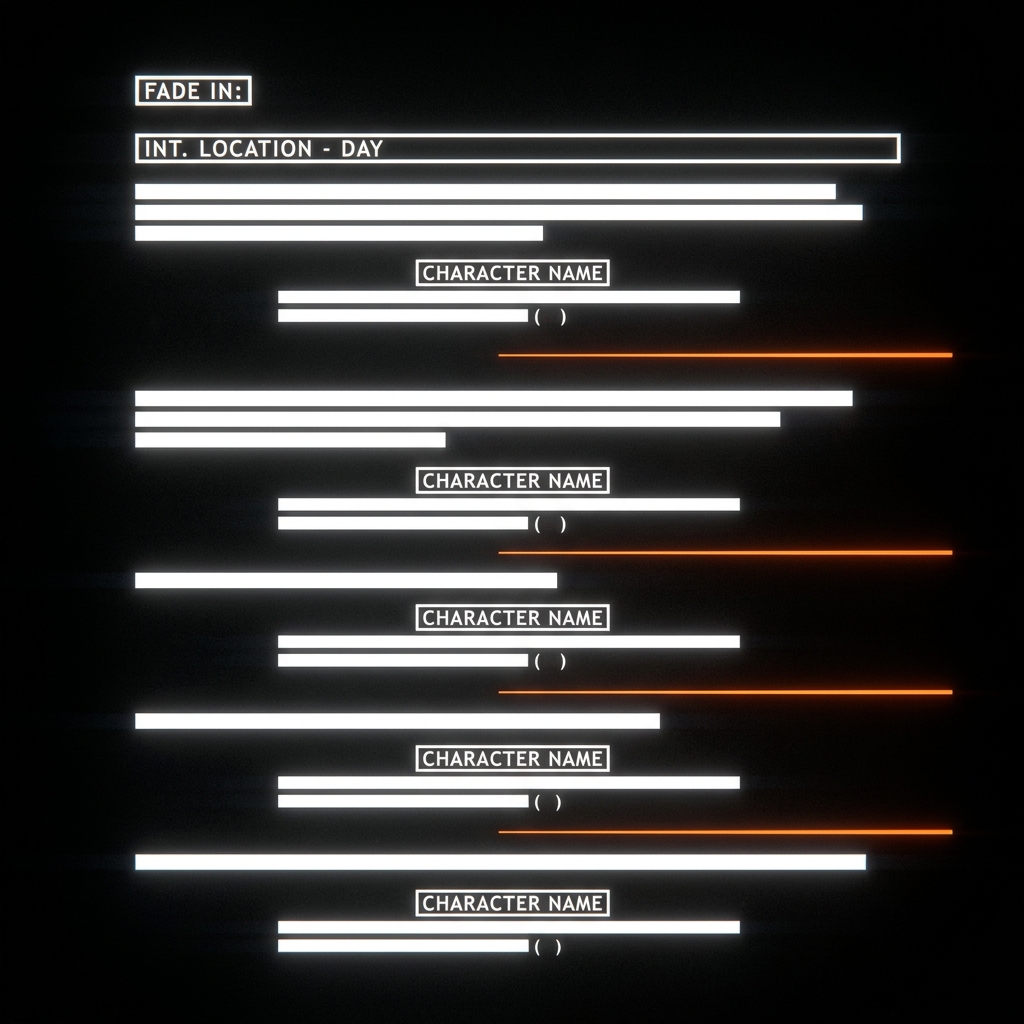
Screenwriting & Adaptation Engine

Translates your story into screenplay-ready structure while preserving your voice, scene intent, speaker attribution, and the choices that matter.

  • Scene structure and sequence maps
  • Dialogue and action surface checks
  • Production-aware screenplay artifacts
03

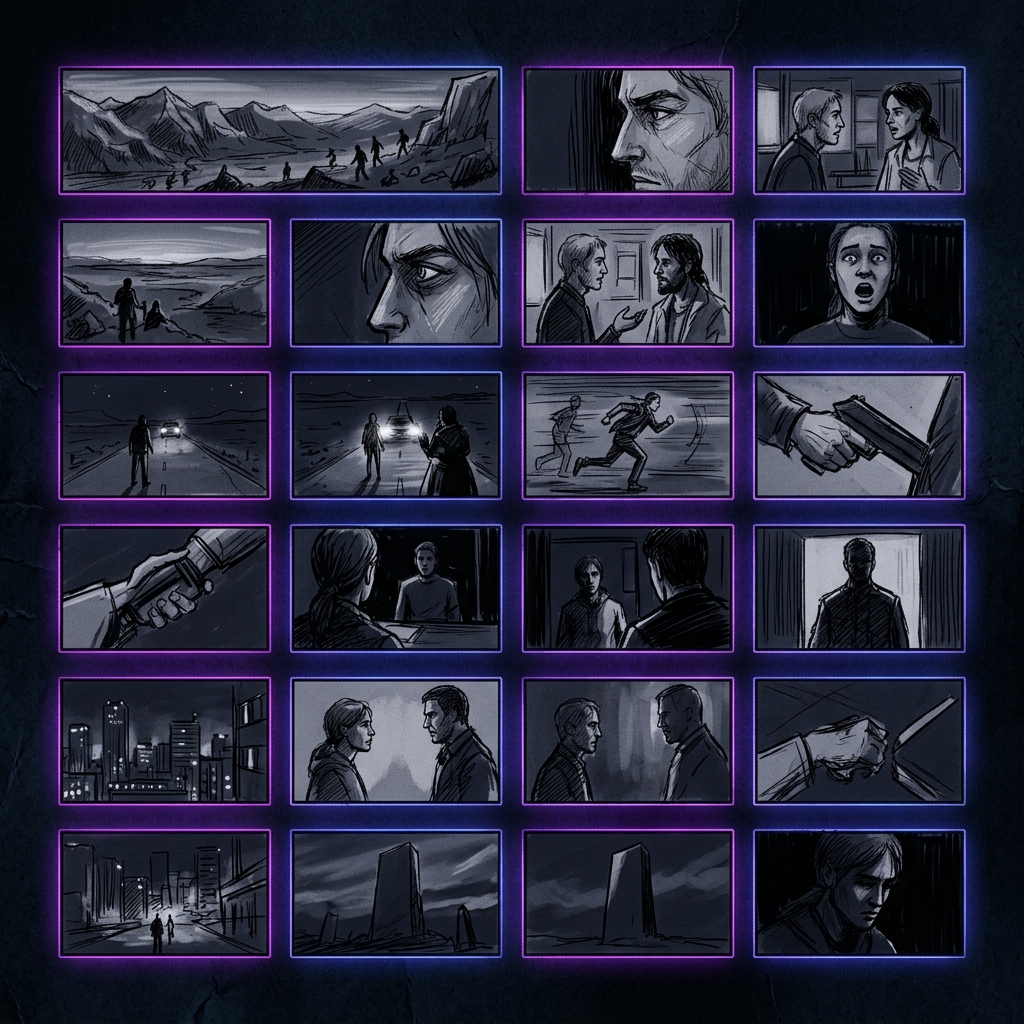
Storyboard Studio

Turns your screenplay into directed storyboards: the same cast and sets across every shot, in the look you choose. Review the plan, render, retake a weak shot, try the camera another way, and keep what works. Change the screenplay and only the affected boards come back.

  • Boards placed on the lines of the script
  • Consistent characters and sets from references you sign
  • Five looks: chalk, colour chalk, charcoal, coloured pencil, comic
  • Board-page PDFs, silent animatics, and camera-move clips
04
SoundWright

Narrative Audio Studio

Edit intent, not waveforms.

The audio production engine — script to master, and master back to script. Works standalone for podcasters and screenwriters, or as the audio department within the full CinemaWeave studio.

Forward door

Fountain script or manuscript in → auto-cast multi-voice performance, ducked music beds, LUFS-mastered output in minutes. Replaces $275–$5,000 table reads.

Reverse door · After launch

Finished recording in (coming after launch) → 7-stage decompile into an editable text session. Fix flubs as text, retake single lines, re-master. No competitor has this.

  • Provider-agnostic voice routing — any registered provider, including our own house voices
  • Surgical revision: change one line, re-render one stem, rest stays byte-identical
  • Auto-ducking, room tone, and LUFS compliance built in

Human in & on the loop

As hands-on as you want.

Paste your words and let the studio produce it, then listen and keep or change any line. Or step into the Studio and cast every voice, direct every line and lock every take. Either way, the system proposes and you decide. Nothing is shared, published or delivered without you.

Hands-light · Four-screen flow

Let the studio draft it

"Paste your words. Choose a voice or a cast. We produce it. You listen, then keep or change any line."

The engine listens back to its own render and flags lines below the bar. On the listen screen, keep or go back on any line, change its words, give it to another speaker, or pick another voice.

Hands-on · The Studio

Direct every detail

"Direct every line. Cast every voice. Lock every take."

Audition voices across providers, author performance directives in the script, place sound and music, select or lock or reject every take, lock the mix, review every storyboard beat, and release.

Review by exception · Always

Machine draft ≠ human ruling

"The system proposes. The human approves, rejects, or overrides."

Surface only what needs human attention. Approved artifacts stay locked. Only flagged issues enter the review queue. That distinction is structural, never blurred.

Guided pilots: During pilots, we work alongside you to produce it, with as much or as little hands-on direction as you want.

Produce it with us

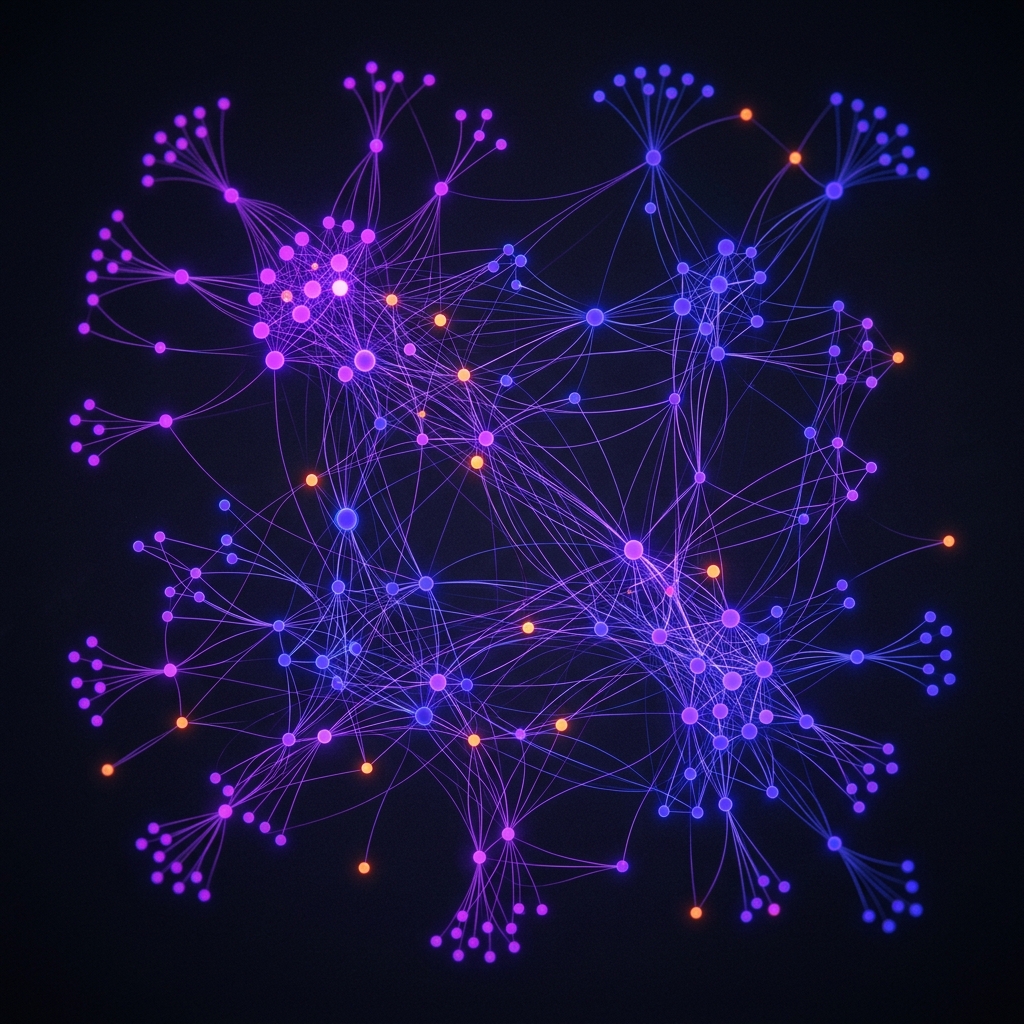
Production graph

Every artifact knows where it belongs.

CinemaWeave maintains a shared production state — a persistent object that every department reads from and writes back to. Artifacts carry identity, version history, dependencies, and approval status. The production is the managed thing, not just the outputs.

Independent production engines connected through a shared, bidirectional production lifecycle.

Produce it with us
Layer 01

Source understanding & story state

Parse source material into characters, scenes, events, continuity relationships, and reusable story graph context — the shared foundation every other layer reads from.

Layer 02

Adaptation & screenplay

Generate scene structures and adaptation decisions that remain traceable back to the original narrative source — and forward to audio and visual production.

Layer 03

Audio, visual & storyboard fulfillment

Produce voices, narration, sound effects, music beds, storyboard panels, and timing manifests — assembled into reviewable cinematic artifacts with known identity and dependencies.

Layer 04

Lifecycle, review & deployment

Deterministic orchestration, approval gates, selective regeneration, and local-first deployment options — so the production can be reproduced, controlled, and extended without starting over.

Story
⇄
Screenplay
⇄
Performance
⇄
Audio
⇄
Visuals
⇄
Edit
⇄
Release

Production does not move in only one direction. A downstream decision can — and should — reconcile with what came before it.

Revision intelligence

Change what matters. Preserve what does not.

A creator changes one line in a scene. CinemaWeave evaluates what that change actually affects — and what approved work can remain exactly as it is.

Change one creative decision without losing everything that already works.

Change evaluation · Scene 04 · Line 12 revised
↻ Performance — re-evaluate voice delivery and pacing
↻ Duration — scene timing may shift by ±2.3s
↻ Music cue — review entry point against revised duration
✓ Story graph — meaning unchanged, no continuity impact
✓ Storyboard — unchanged boards keep their takes; the changed ones come back for review
✓ SFX manifest — 7 of 8 cues approved, retained
✓ Approved scenes 01–03 — locked, untouched

Model-agnostic architecture

Use the best models. Keep control of the production.

Models create the artifacts. CinemaWeave manages their lifecycle. No individual model defines the company or owns the production state.

CinemaWeave orchestration & lifecycle
Routes tasks · Maintains production graph · Manages artifact identity, versions, and dependencies · Enforces approvals
Language & story
Voice & performance
Music & audio
Image & storyboard
Video & staging
Local inference

Better foundation models are not a threat to CinemaWeave. They are upgrades to the studio.

How the studio came to be

The first production revealed the real problem.

"I wanted to see my stories on screen. I did not have a film studio, so I began building one that I could operate myself."

We had already created approximately 30-minute dramatic productions — screenplay, cinematic audio, and storyboards over video. People responded to them. Then we changed the screenplay.

The downstream production did not know what had changed. When we improved something downstream, the upstream artifacts did not know either.

We realized we had built a pipeline, not yet a studio.

CinemaWeave is the system we began building to solve that: a production lifecycle in which every artifact can be traced, revised, reconciled, and carried forward — through every change between the first creative decision and the final release.
Where we are now

Available today. Building toward the full studio.

CinemaWeave is honest about the difference between what is demonstrable now and what the architecture is being built toward. That distinction is a feature, not a disclaimer.

Available now

  • Structured story and adaptation workflows
  • Multi-voice cinematic audio production
  • Environmental sound staging
  • Storyboard-based scene visualization
  • Production manifests and targeted regeneration
  • Local-first orchestration options
  • Controlled provider integration

Designed and building toward

  • End-to-end artifact lineage
  • Broader bidirectional change propagation
  • Selective staleness and cross-modal regeneration
  • Persistent production state across all departments
  • Controllable multi-minute video and scene restaging
  • Full production locking and reproducibility

Pilot output spec

  • Manuscript or story-world intake
  • Multi-character voice assignment and narration plan
  • Contextual environmental sound staging
  • Ducked music and timing-aware audio assembly
  • Scene-consistent storyboard beats
  • Production manifest for review and targeted regeneration

Each pilot is scoped against the selected source material, deployment constraints, and review requirements before production begins.

Proof asset · Ashbound

From manuscript to cinematic output — one pipeline run.

Ashbound is CinemaWeave's reference proof asset: a fantasy manuscript compiled through the full pipeline. Source text in. Character voices, environmental audio, scene staging, and storyboard beats out.

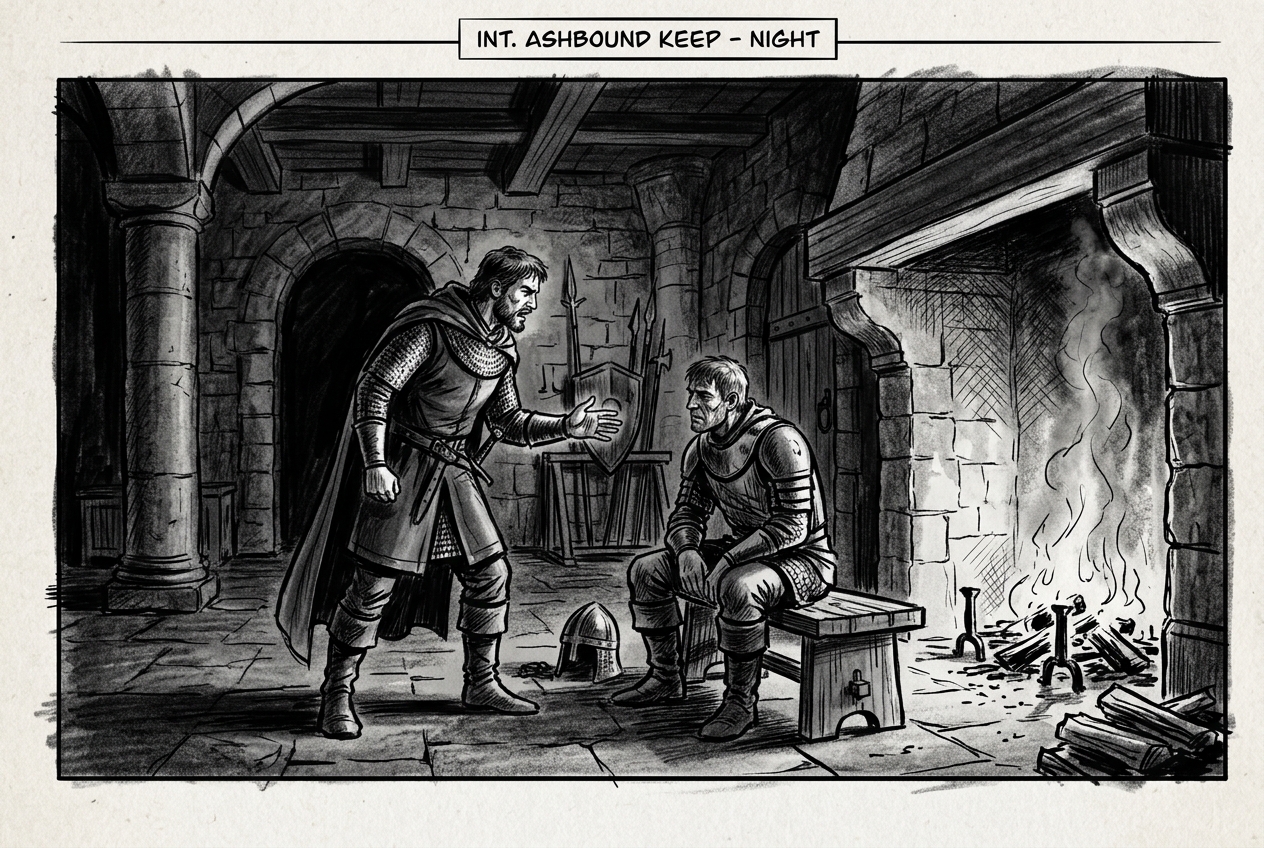
Ashbound storyboard panel: INT. ASHBOUND KEEP — NIGHT. Two figures in tense conversation near a dying fire in a medieval stone keep.
Storyboard output · Ashbound Ch. 01 · generated by CinemaWeave pipeline
Manuscript source
INT. ASHBOUND KEEP — NIGHT The stones remember before the builders did. Frost clings to the mortar between each block — the keep exhales cold the way lungs exhale breath. MAREN They sealed the lower hall before anyone came back out. Three days now. I've counted. THEIS Sealing a hall isn't the same as losing it. You know that. She doesn't answer. The fire gutters. Somewhere below them, something shifts — not a sound exactly, more like the absence of one.
Pipeline output
Story graph — 4 characters, 2 locations, 1 unresolved continuity flag
Scene contract — INT · NIGHT · tension escalation · no resolution beat
Voice assignment — Maren (F3, measured), Theis (M2, clipped)
SFX manifest — 8 cues: stone resonance, wind breach, fire gutter, sub-bass shift
Music bed — sparse strings, ducked under dialogue, -18 dB floor
Storyboard — 6 beats exported, wide→close→reaction arc
Audio assembly — rendering at 48kHz / 24-bit…

Want to see the full Ashbound output — audio, storyboard, and production manifest?

Request demo access

Who it's for

For anyone with a story worth producing.

Families & Individuals

Capture a grandparent's memories, a parent's journey, or a family legacy — and turn it into a book, a storyboarded production, or a cinematic audio experience that lasts forever.

Publishers

Evaluate backlist, serialized fiction, and new manuscripts as cinematic audio or storyboarded assets ready for new audiences.

Studios

Prototype adaptations, pitch materials, proof scenes, and cross-format development paths from owned IP.

IP Owners

Convert worlds, characters, and source material into reusable narrative-state and media-production systems built to scale.

Let's talk

If you care about the future of storytelling, you're in the right place.

Tell us what you're building — a backlist of novels, a story world, a serialized series, or something original. During pilots, we work alongside you to produce it, with as much or as little hands-on direction as you want.

Prefer email? pilots@cinemaweave.com